Phytopathogens
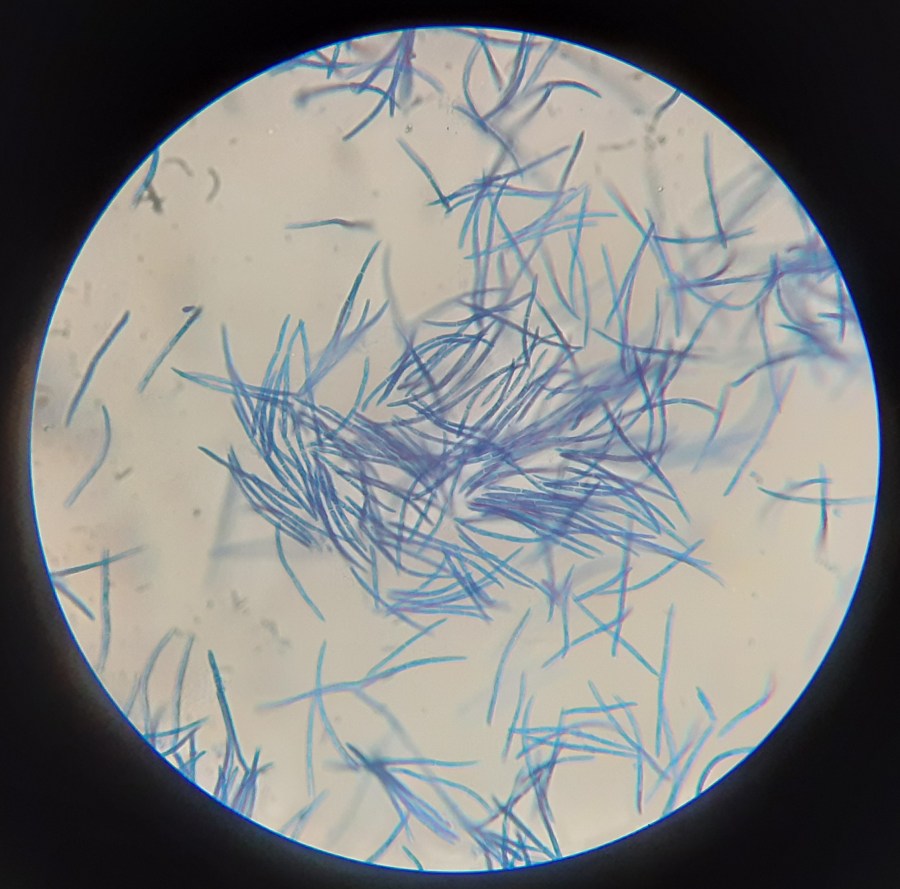
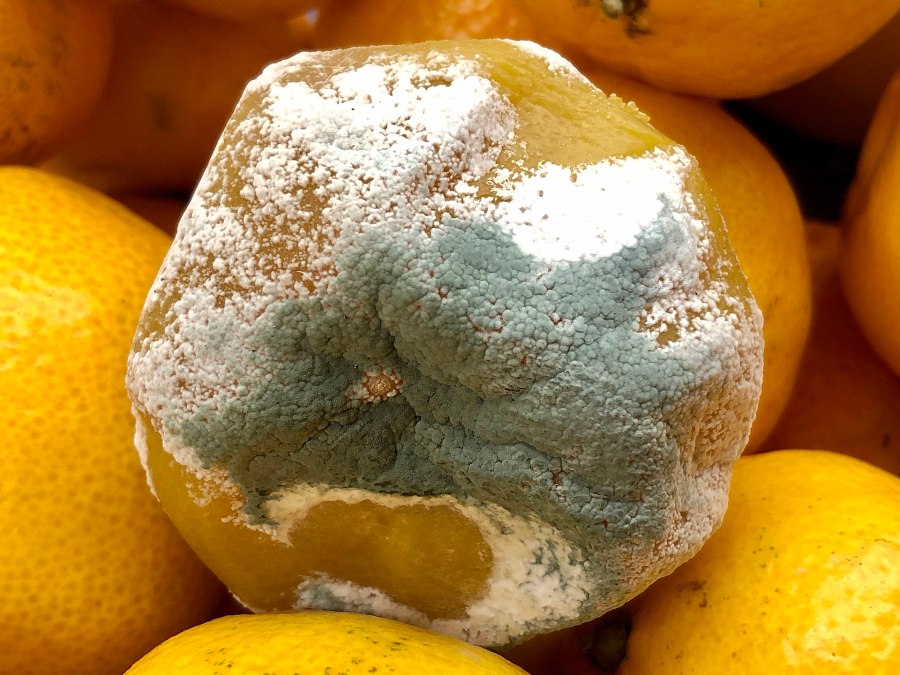
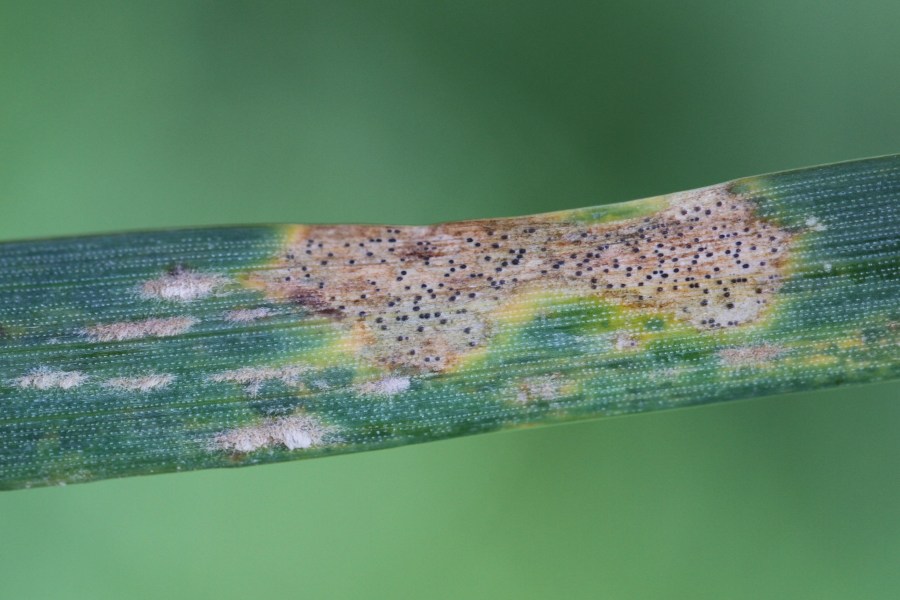
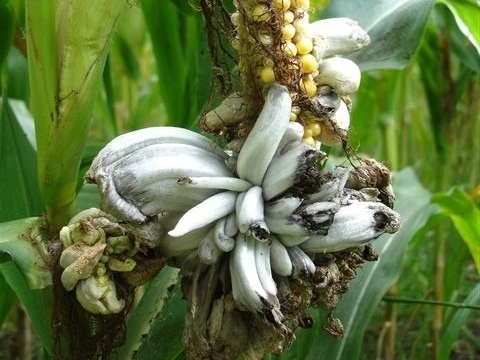
Fungal phytopathogens are a diverse group of fungi that cause diseases in plants. They can be classified into several classes based on their mode of infection, host range, and other characteristics. Three major classes of fungal phytopathogens are recognized according to the consequences to the host. Necrotrophs kill the host plant, causing diseases like leaf spots, fruit rots and mills. Examples include Botrytis cinerea (gray mold) and Alternaria species. Biotrophs obtain nutrients from living host cells without killing them. They establish a close relationship with the host plant and may cause diseases like powdery mildew or rust. Examples include Blumeria graminis (powdery mildew) and Puccinia species (rusts). Hemibiotrophs: These fungi initially behave as biotrophs, acquiring nutrients from living host cells. However, they switch to necrotrophic mode later, causing cell death. Examples include Colletotrichum species (anthracnose) and Magnaporthe oryzae (rice blast). Oomycetes: Although not technically fungi, oomycetes are commonly considered as phytopathogens. They include devastating plant pathogens like Phytophthora infestans (causes potato late blight) and Pythium species. They cause diseases like damping-off, root rots, and blights. The importance of fungal phytopathogens cannot be overstated. They can cause significant crop losses, reduce yield and quality, and have economic and ecological impacts. Plant diseases caused by fungi can affect agricultural productivity, food security, and the overall health of plant ecosystems. Understanding the classes and characteristics of fungal phytopathogens is crucial for developing effective disease management strategies and sustainable agriculture practices.

 European Conferences on Fungal Genetics