This page contains a selection of the most influential papers in the field of fungal genetics, with special emphasis to those that have contributed to the understanding basic processes of the cells in general or report key aspects of fungal pathogenicity to plants and human beings (animals). This will be a live section, to which new additions will be appended as convenient. to facilitate access to a particular paper, an index and search box are included. As every entry includes a short descriptive sentence, readers may search either for authors or for words included in these sentences. The selection is curated by Miguel Peñalva, and therefore represents his personal opinion and not that of the ECFGs. Suggestions and amendments are warmly wellcomed at fungalgenetics@outlook.es
The page is currently under construction as it is being constantly renovated with new additions and amendments. This ongoing process ensures that the content is always dynamic and useful to the readers. Thank you for your understanding and patience as we work to enhance this page.

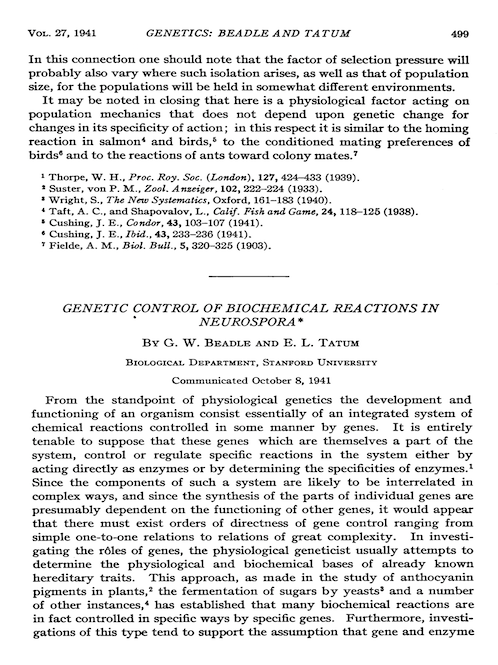
Beadle and Tatum (1941)
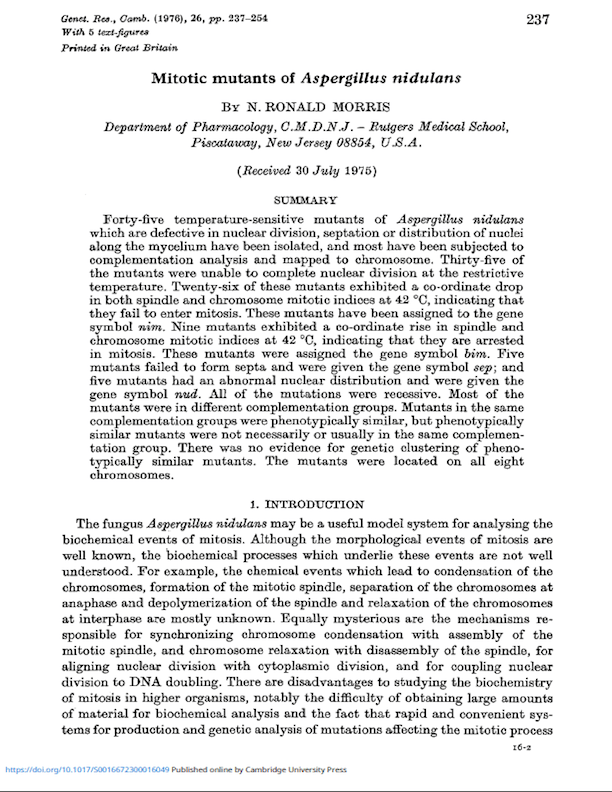
Morris, N.R (1976)
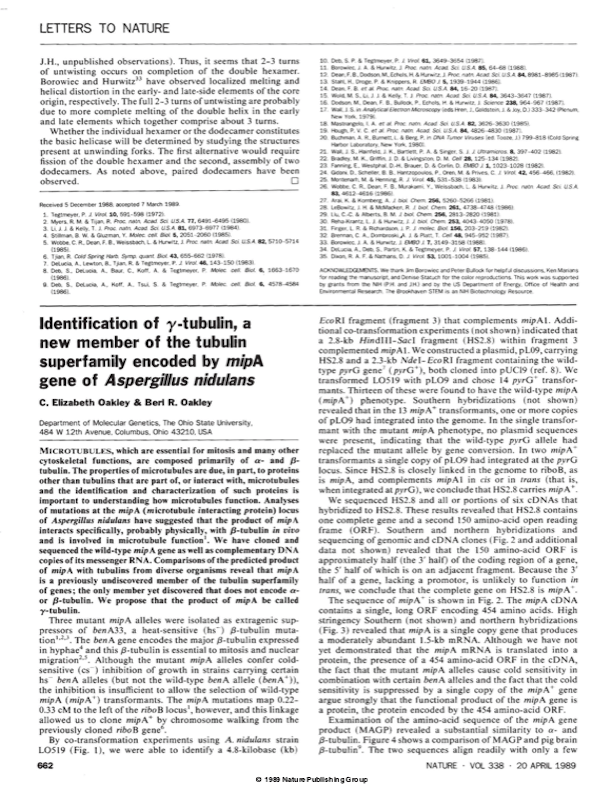
Oakley & Oakley (1989)
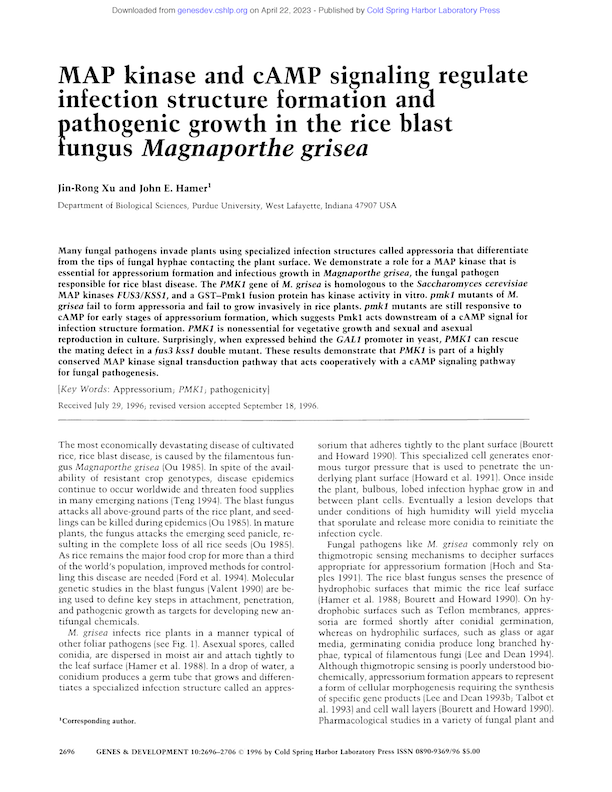
Xu and Hamer (1996)
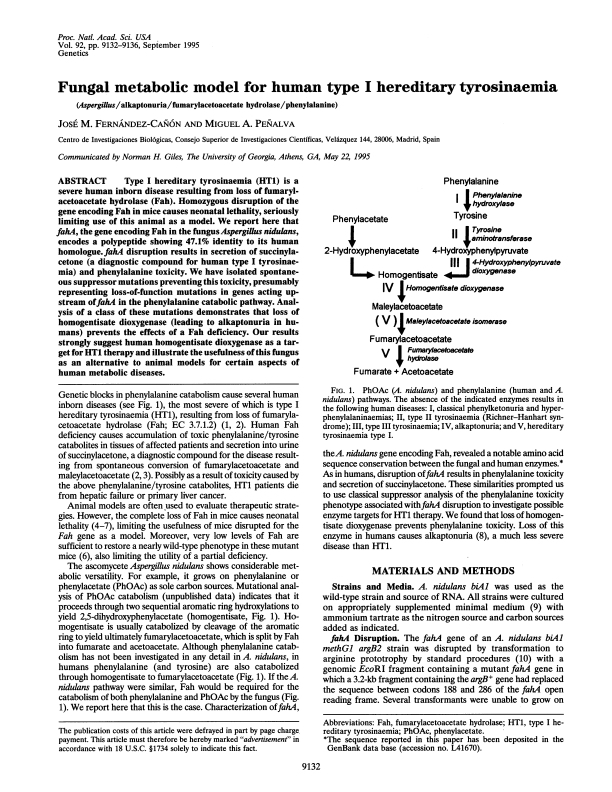
Fernández-Cañón … (1995)
The key paper that led to the one-gene-one-enzyme hypotesis
Mitotic mutants of Aspergillus nidulans Genet Res 25: 437
Identification of gamma-tubulin, a new member… Nature 338: 672
Role of MAPKs in fungal pathogenicity to plants reported
Identification of the alkaptonuia gene in Aspergilllus
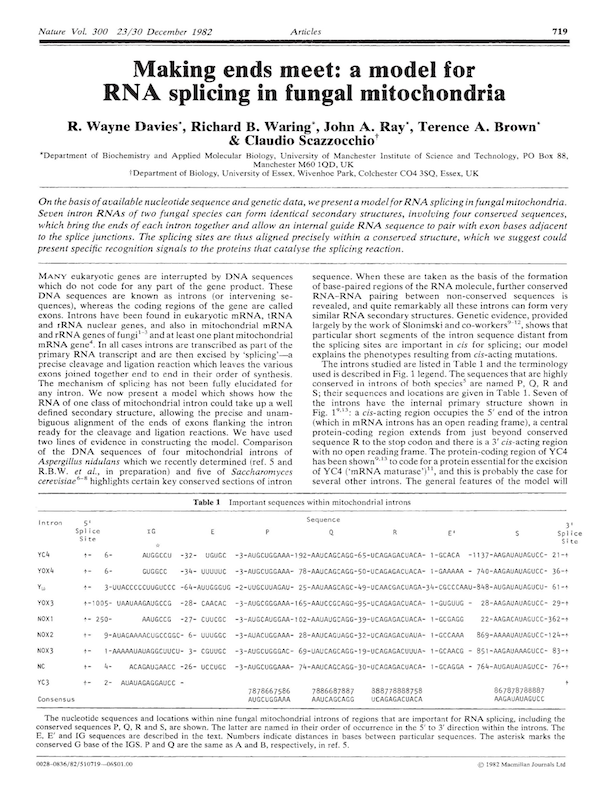
Davies et al (1982)
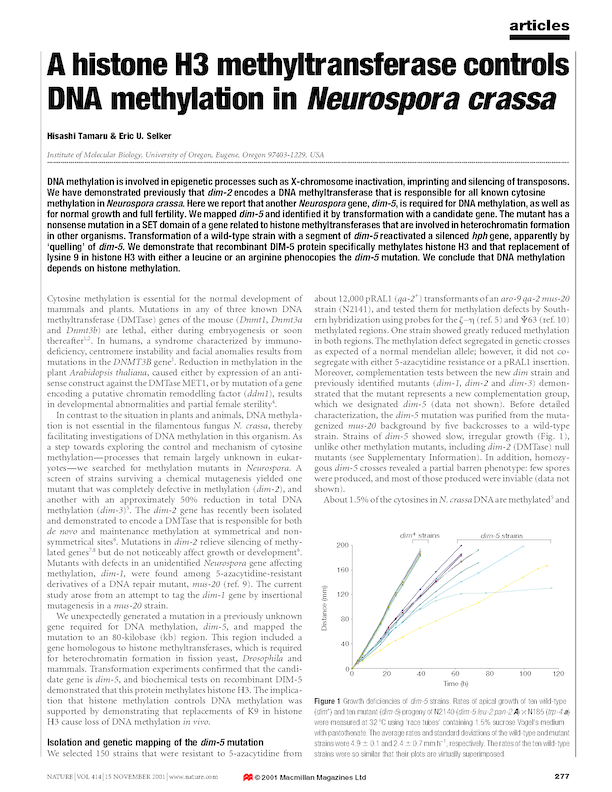
Tamaru and Selker (2001)
Pontecorvo et al. (1953)
Osmani and Mirabito (2004)
MacClung et al (1989)
Model for mitochondrial type I intron splicing mechanism
DNA methylation depends on histone methylation
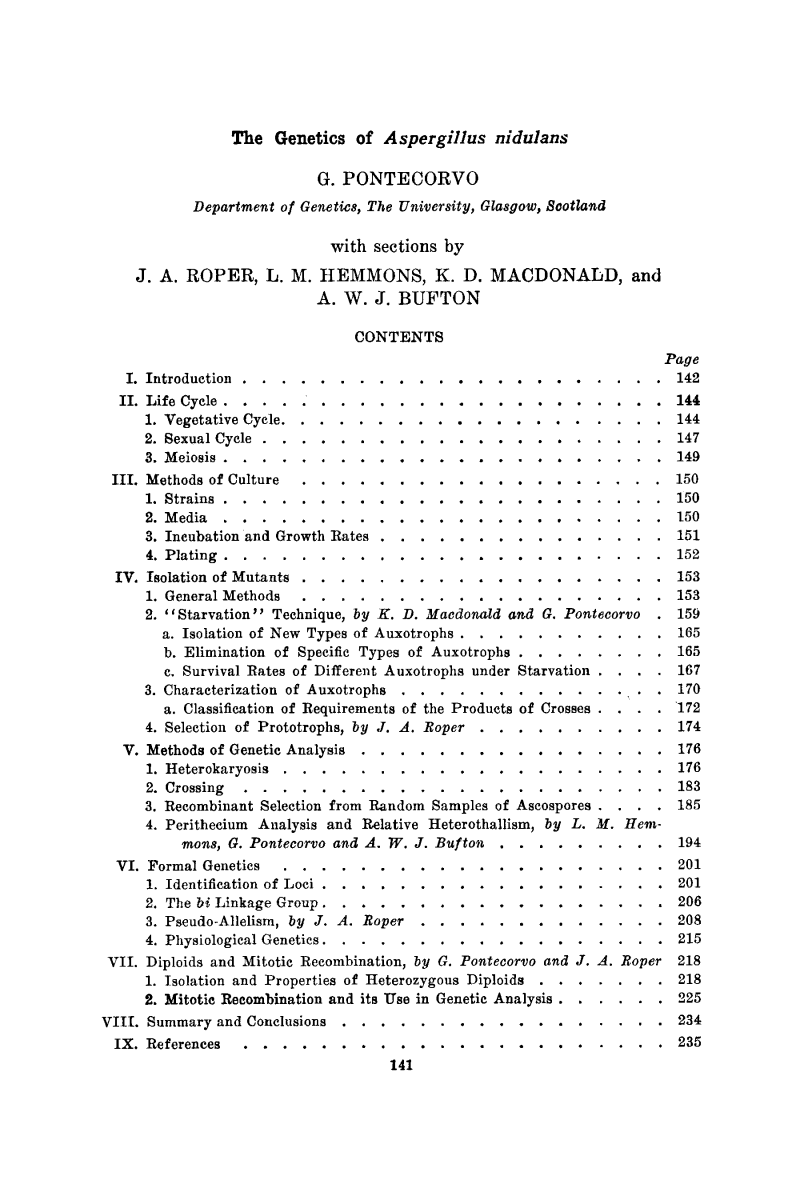
The Genetics of Aspergillus nidulans
Historial account of A. nidulans and the understanding of the cell cycle
Jay Dunlap’s lab identification of the frq clock gene
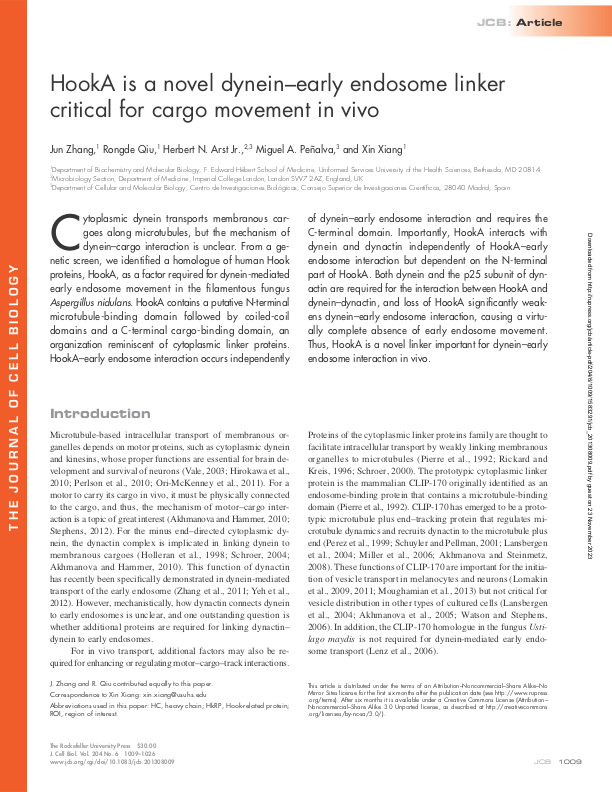
Xiang et al (1994)
Plamann et al (1994)
Zhang et al (2014)
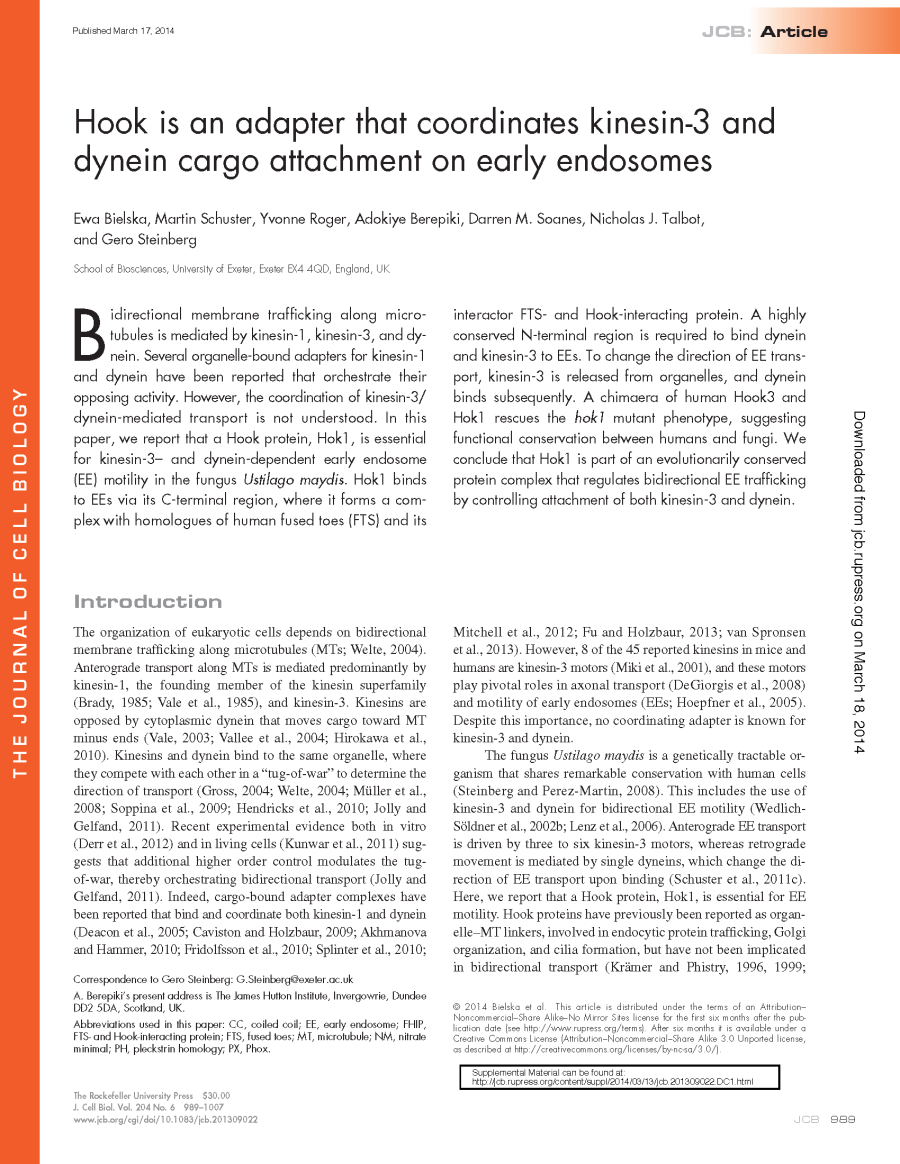
Bielska et al (2014)
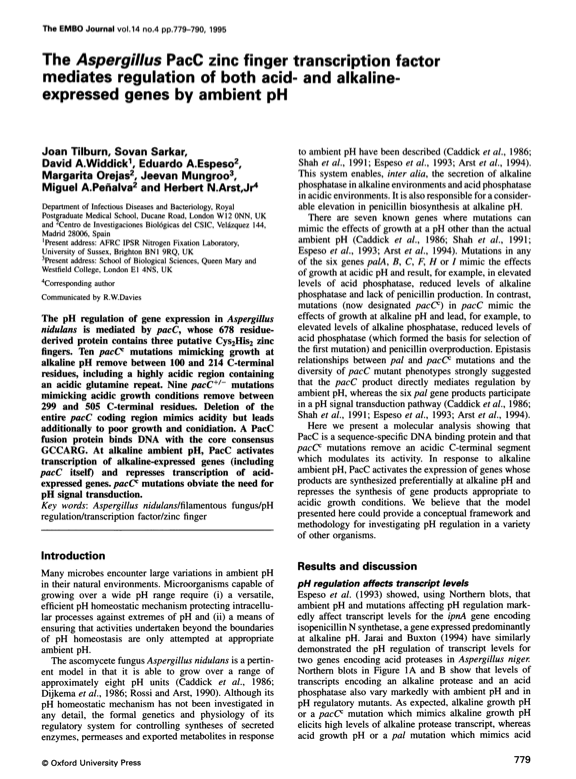
Tilburn et al (1995)
Cloning of the dynein heavy chain gene in A. nidulans by the Morris lab
Cloning of the dynein heavy chain in N. crassa
The Xiang lab identifies the dynein adaptor HookA in A. nidulans
The Steinberg lab identifies the dynein adaptor Hok1 in U. maydis
The Arst lab characterizes the key regulator of the ambient pH response
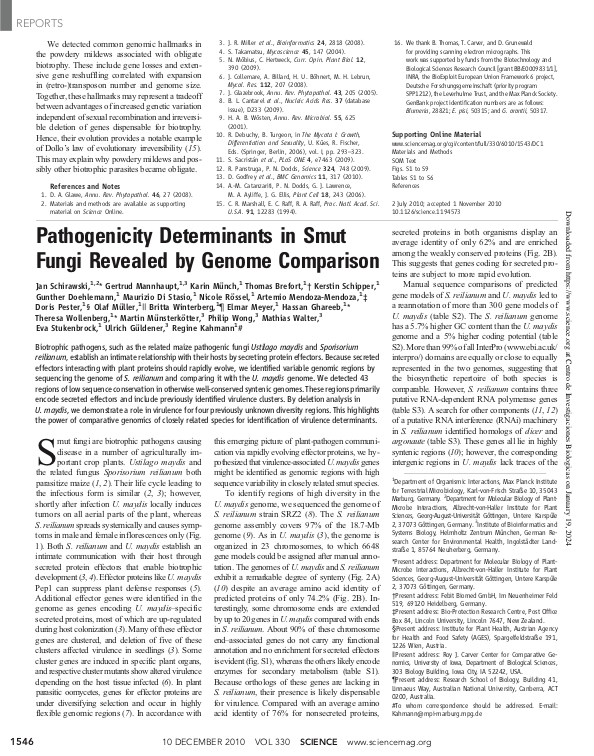
Schirawski et al (2021)
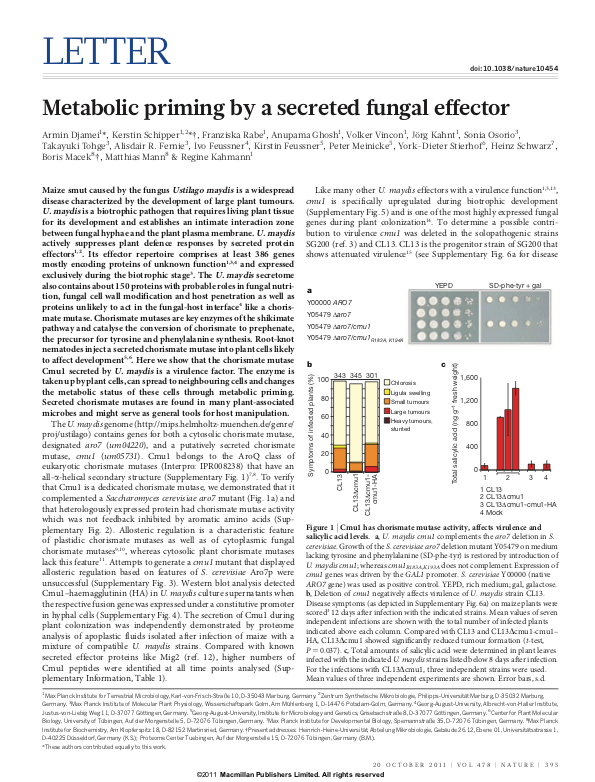
Djamei et al (2011)
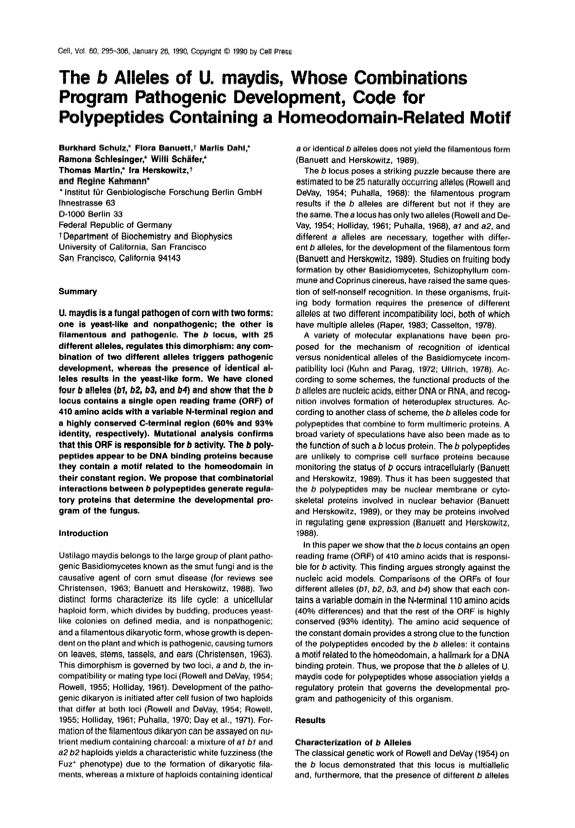
Schulz et al (1990)
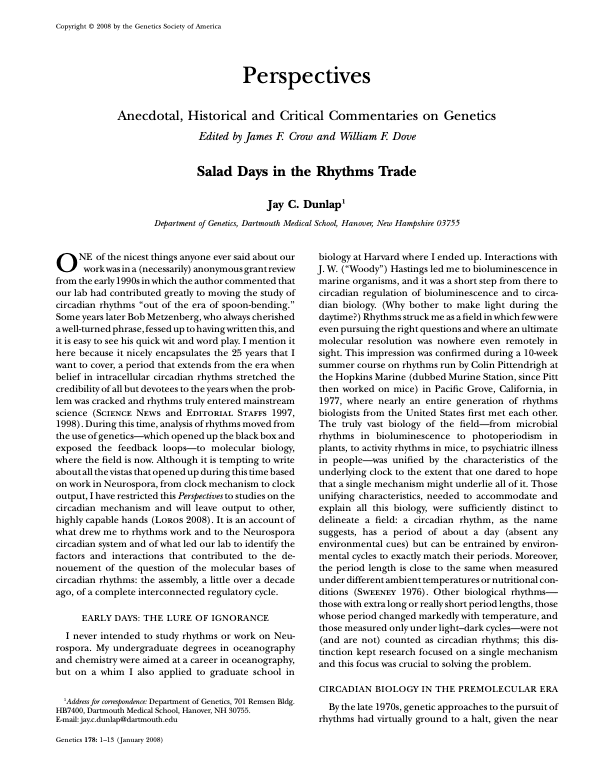
Dunlap, J.C. (2008)
to be continued
Kahmann’s comparative genomics between two Ustilago species to reveal poorly conserved effector-rich stretches of DNA
An enzyme secreted by the fungus changes the metabolic status of the host cells
The first Cell paper in Regine Kahmann’s saga of the mating type loci in Ustilago
A historical account by the main protagonist of the contribution of Neurospora crassa to our understanding of circadian rhythms
SUGGESTIONS WELLCOME

fungal HOME
 European Conferences on Fungal Genetics