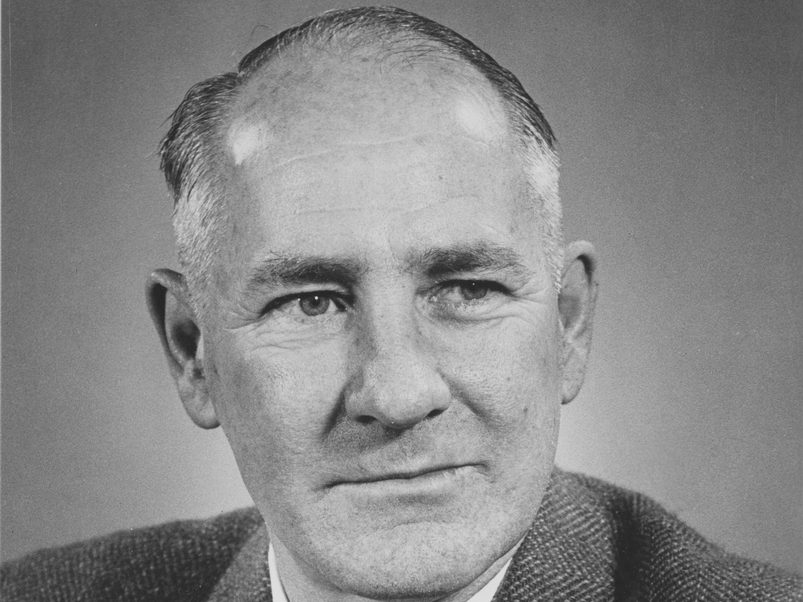
GEORGE W. BEADLE
Nobel Prize of Physiology and Medicine
Working with Neurospora crassa he gathered overwhelming evidence in support of the one-gene-one-enzyme hypothesis. A very honest person, in his Nobel Lecture he acknowledged that this concept was in Archibald Garrods’s mind prior to his discovery
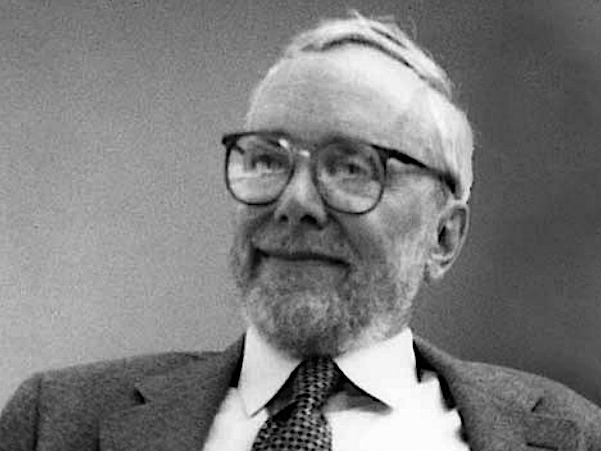
ROBERT L. METZENBERG (BOB)
Member of the National Academy of Sciences
Robert L. Metzenberg (1930-2007) was a person of considerable foresight and an outstanding geneticist whose work and mentorship has had a major influence in the community of Neurospora scientists. Louise Glass has set up a fantastic memorial website in his honor
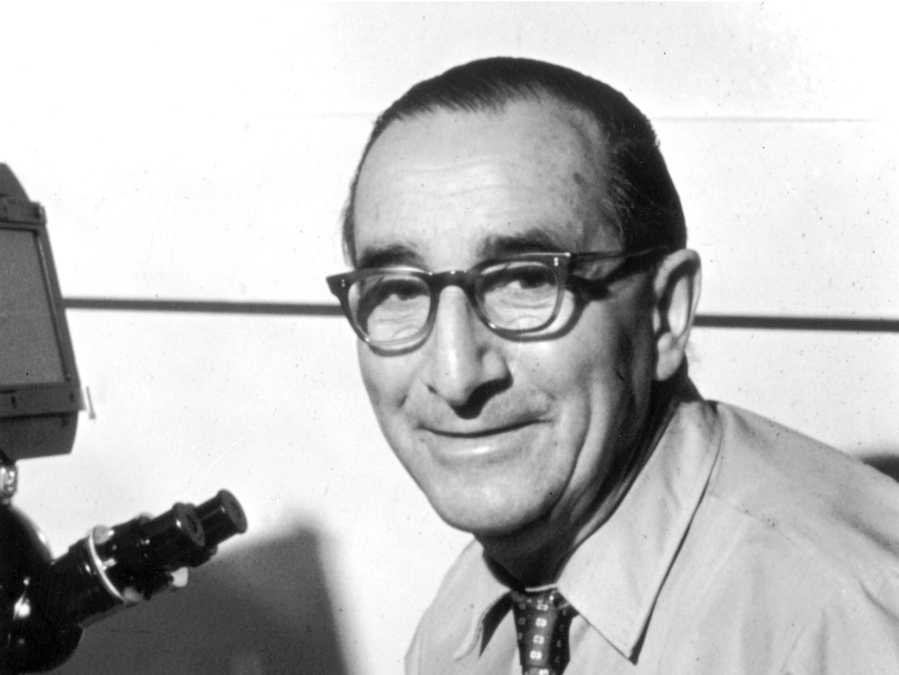
GUIDO PONTECORVO
Fellow of the Royal Society
He was father of somatic cell genetics; he chose Aspergillus nidulans as experimental model, discovering and exploiting its parasexual cycle to address basic problems of Genetics. With Seymour Benzer he demonstrated that the gene was divisible

nIls ronald MORRIS (RON)
Geneticist of the cell cycle
Driven by his colossal foresight he applied Aspergillus nidulans Genetics to the understanding of the cell cycle and the microtubule cytoskeleton. Not only he crucially contributed, with Nobel laureates Paul Nurse and Lee Hartwell, to establish the ‘checkpoint model’ of the nuclear division cycle but he converted his Rutgers lab into a factory of leadership.
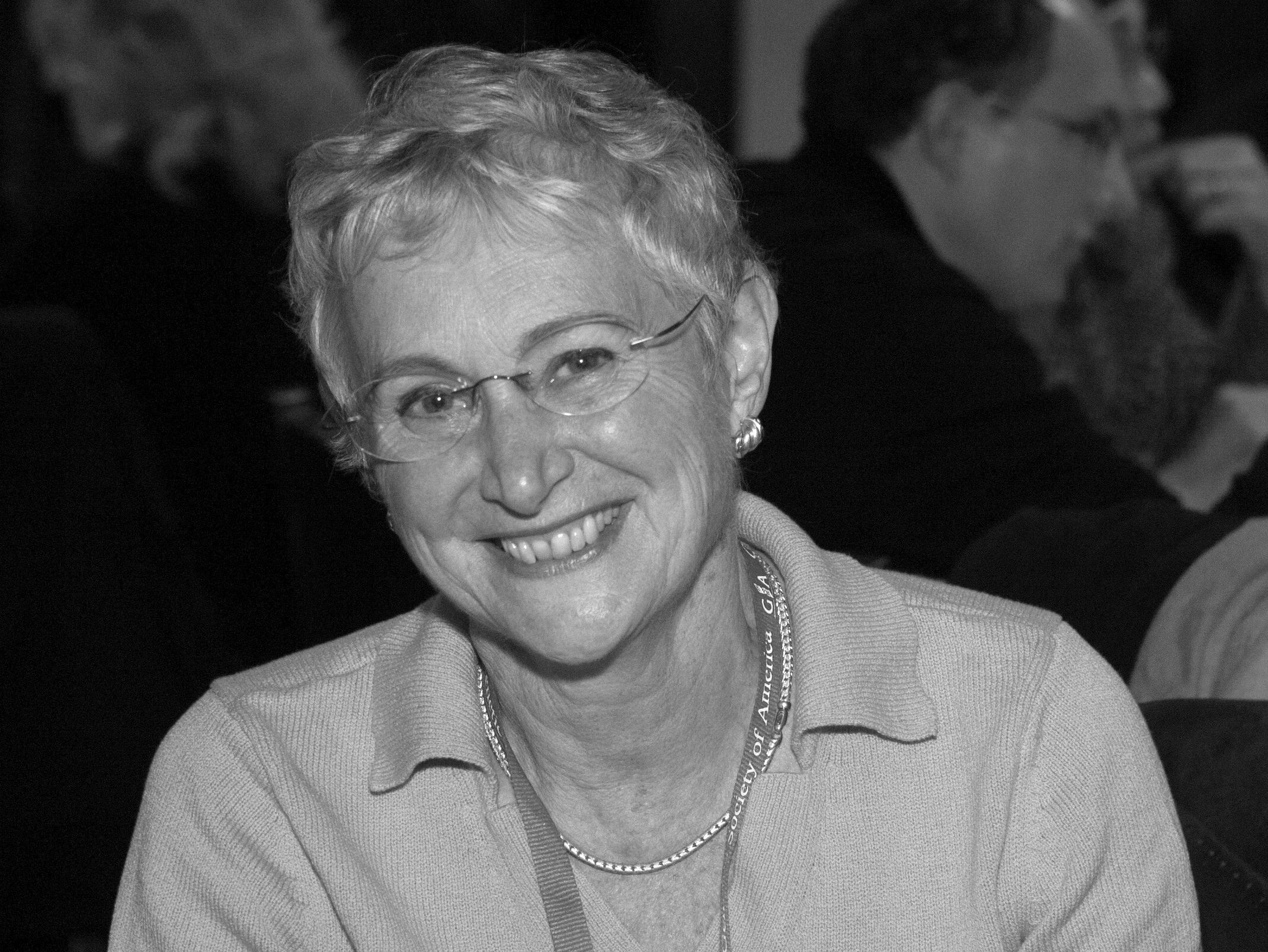
LORNA CASSELTON
Fellow of the Royal Society, of which she became Foreign Secretary. Lorna was the extraordinary scientist that worked out their genetics of mating in the fruiting body-forming basidiomycete Coprinus cinereus. Using words extracted from the obituary written by Nick Talbot for the Guardian, “Through painstaking genetic analysis and molecular biology for more than two decades, she was able to identify the genes that specify each sex and then show how their products interact with each other to allow recognition between different sexes to occur and for mating to proceed”

CLAUDIO SCAZZOCCHIO
The polyglot guru of fungal genetics, EMBO Member,
Italian by birth, Uruguayan by adoption, British at heart, French by vocation and Spaniard a little, he has been involved in almost every battle of fungal genetics. In all likelihood the most knowledgeable person of the big shots, he worked out the details of purine degradation, characterised the mechanism of a splicing of type I introns in fungal mitochondria, the molecular features of the fungal-specific zinc cluster transcription factors, the intricacies of the binding of the carbon catabolite repressor to specific targets in the DNA, the involvement of chromatin in the transcriptional regulation of gene clusters, and a long list that we need to truncate for space reasons .
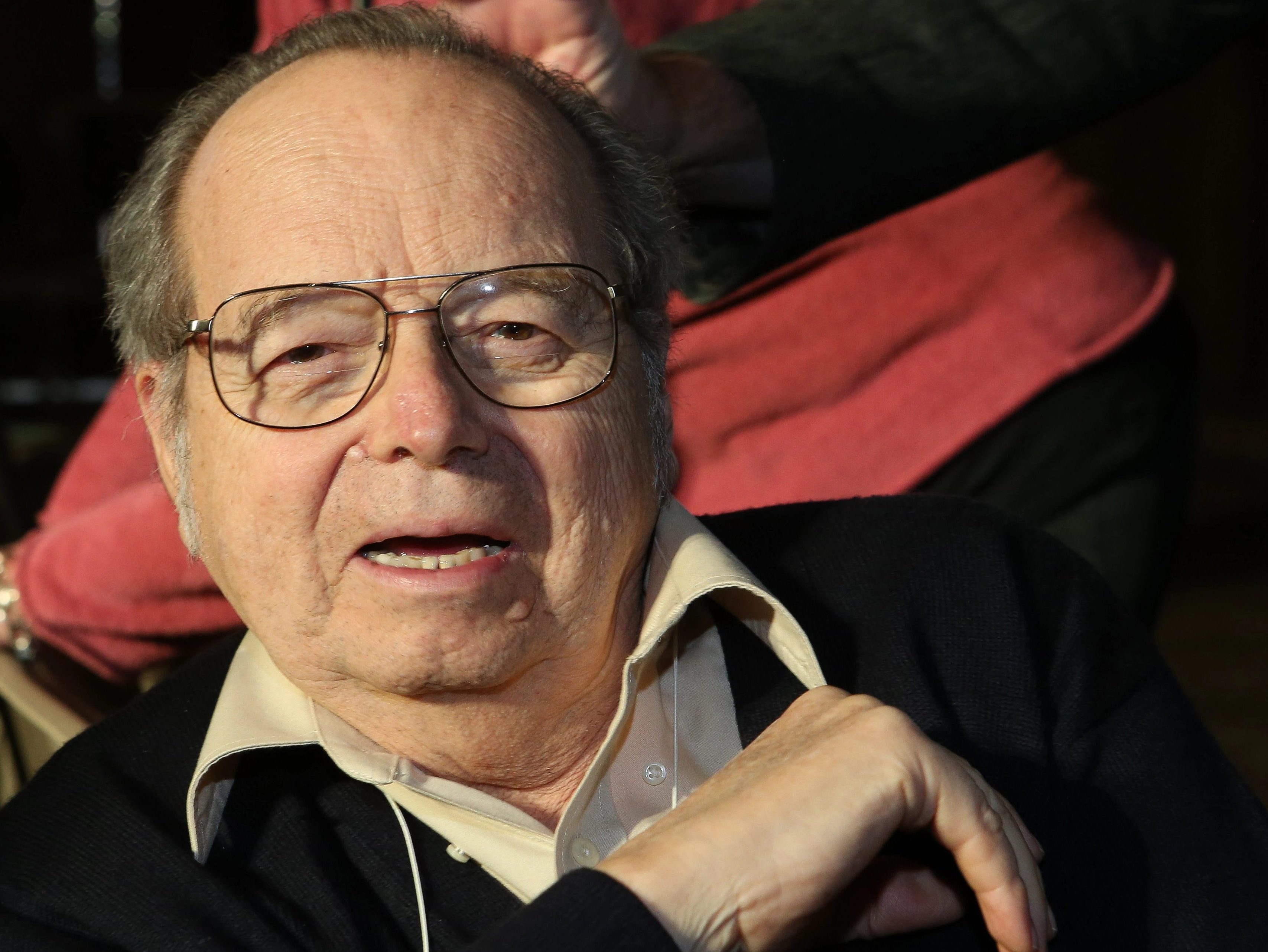
SALOMON BARTNICKI-GARCIa
Salomón Bartnicki García’s is the Spitzenkorper, the dark body of classic mycologists. His was the realization that this mysterious organelle behaves as a vesicle supply center. With admirable anticipation, he described fungal polarity using a mathematical model.
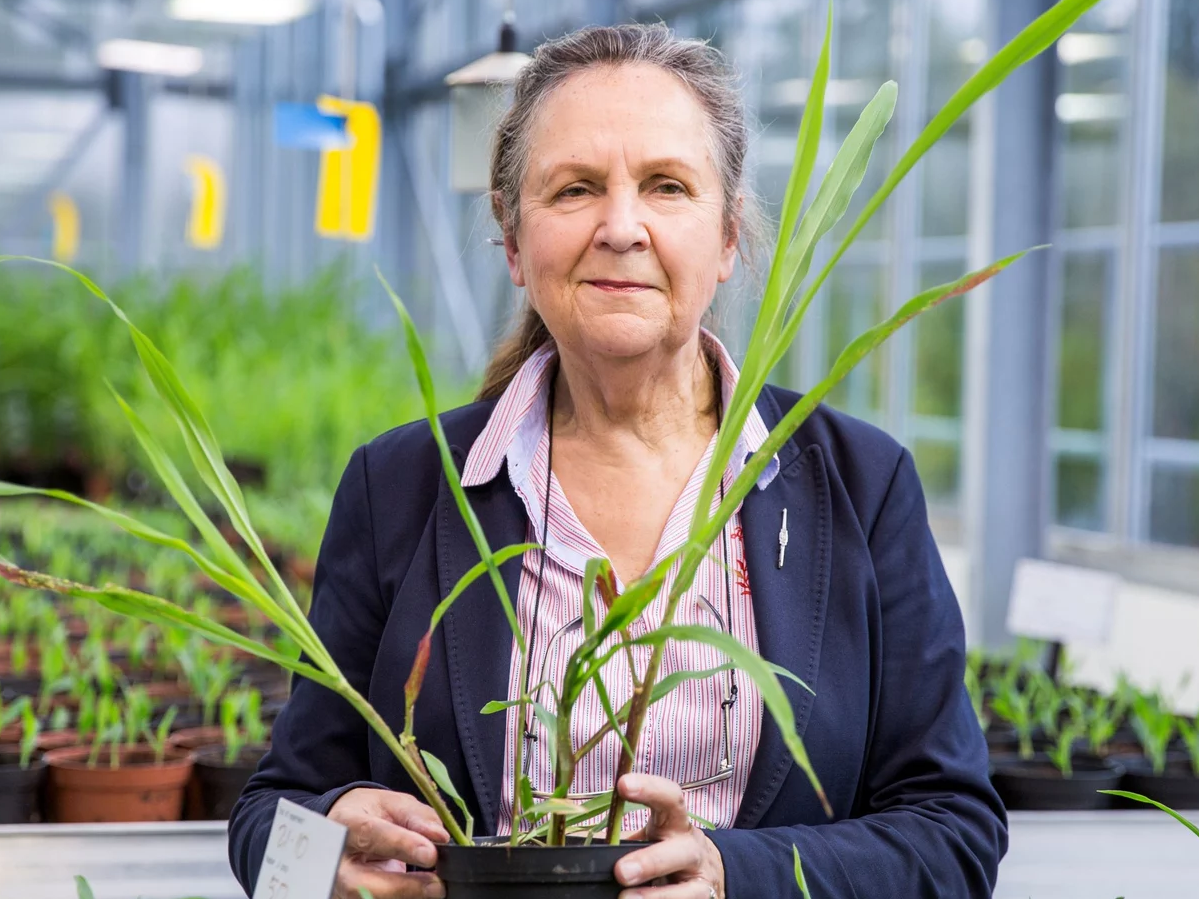
REGINE KAHMANN
EMBO Member and Foreign Fellow of the Royal Society and of international member of the National Academy of Sciences USA
Regine, or the importance of being called Ustilago. She started her career as a molecular biologist of bacteriophages, but has elevated the analysis of the molecular basis of fungal pathogenicity to plants to the level of an art. During the last few years see has focused her spotlight on the characterisation of fungal effectors, those proteins produced by pathogenic fungi that modify the physiology of the host plant cells to their advantage and profit (of the fungus). Regine has served as director of the Max Planck Institute for Terrestrial Microbiology for 20 years
ERIC selker
Member of the National Academy of Sciences USA
He has exploited the experimental advantages of Neurospora crassa to study how histone post-translational modification and DNA methylation affect gene expression. Neurospora has all the genetic capabilities required to encode DNA methylation, Histone H3 Lysine 9 trimethylation (H3K9me3), Histone H3 Lysine 27 methylation (H3K27me), and RNAi-based silencing mechanisms. Among his soundest discoveries are discoveries were ‘symmetric methylation”, RIP (repeated-induced point mutation), the first reported DNA defense mechanism in eukaryotes and the demonstration that DNA methylation inhibits gene expression at the level of transcription
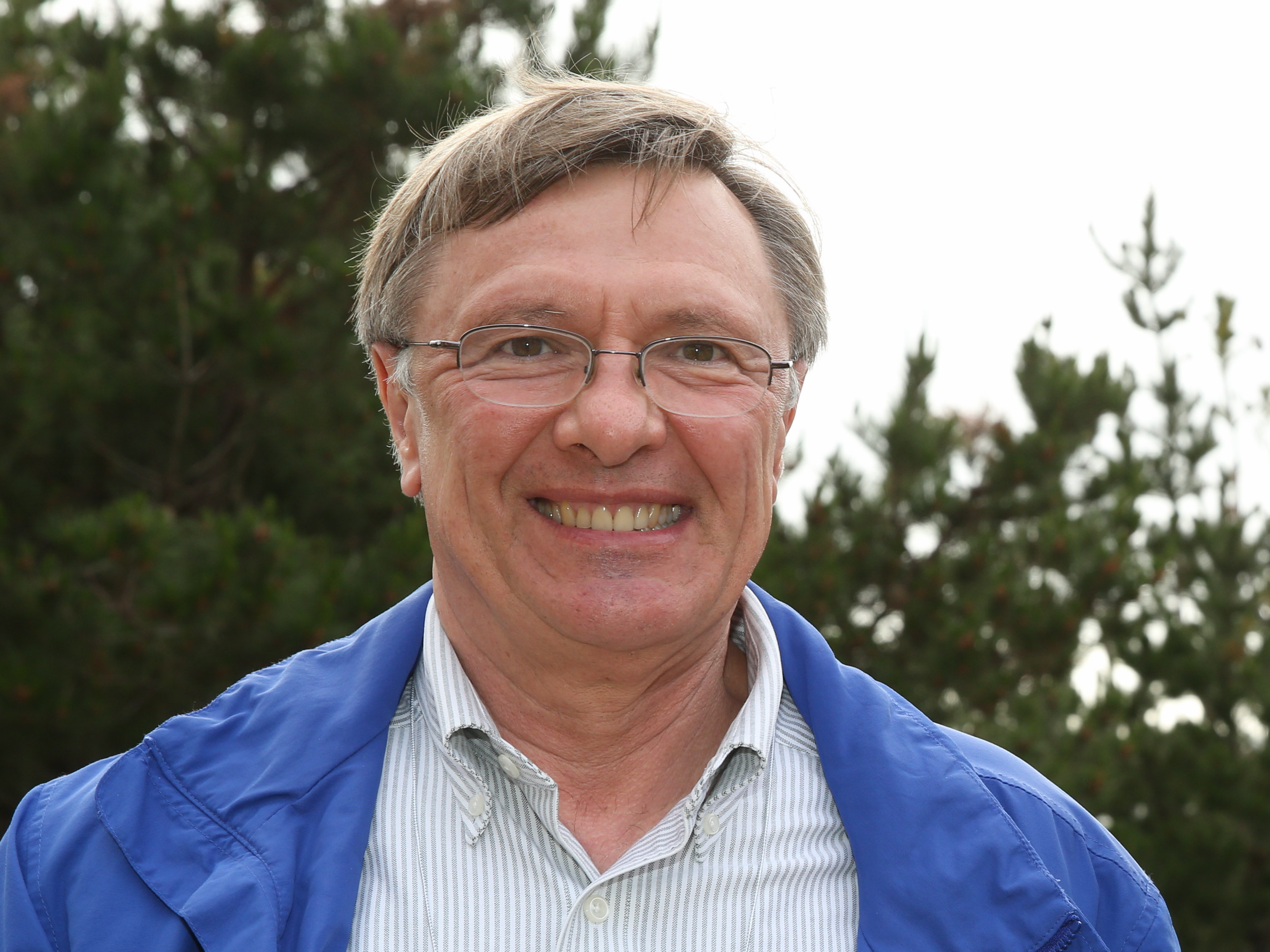
BERL OAKLEY
Distinguished Prof at the University of Kansas
Beryl is widely known for his studies on tubulins, and more specifically for his discovery of gamma tubulin, which is the key component of microtubule organising centres (MOTC) in every eukaryote. He combines microscopy with classical or reverse genetics to decipher aspects of the microtubule cytoskeleton that are conserved across eukaryotes. More recently he has become interested in the production of secondary metabolites in Aspergillus strains that have been genetically modified
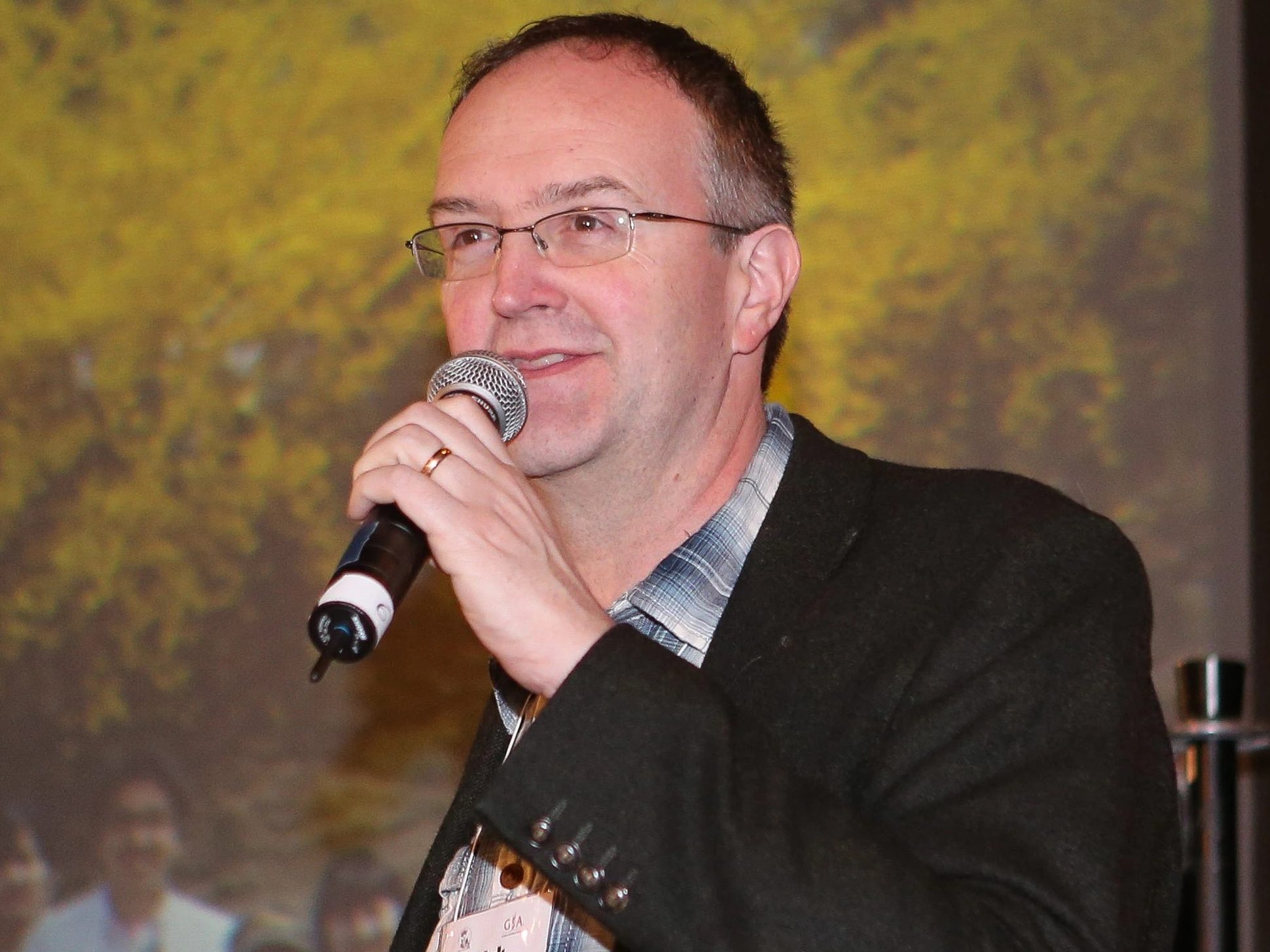
NICOLAS TALBOT
EMBO Member and fellow of the Royal Society
Throughout his outstanding career, Nick, formally a plant pathologist, has thrived to convert fungal pathogenicity to plants in a problem of Cell Biology. Many of us will visualise Nick’s face when we hear the word appressorium, the pressure-generating structure that some phytopathogenic fungi use to penetrate the cuticle of the host
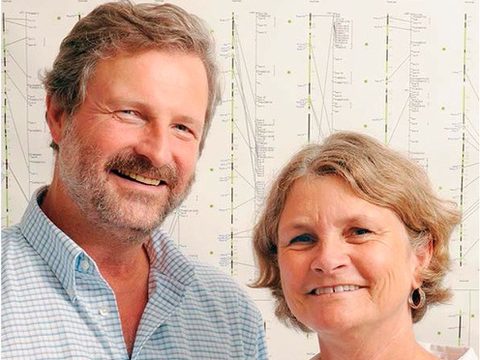
JAY DUNLAP & JENNIFER LOROS
Illuminating the light
Jay and Jennifer are chronobiologists who refined the experimental advantages of Neurospora crassa as a model to study circadian rhythms. They cloned the frq gene, the key regulator of the clock, whose characterization made its way to the cover of Nature, and went on to prove the role of negative feedback in clocks (Science cover), elucidate the mechanism of circadian light-resetting (Cell cover), show that the White Collar Complex is the fungal blue light photoreceptor (Science cover), and decipher the mechanism of the fungal circadian clock. Jay was elected (2009) to the National Academy of Sciences.
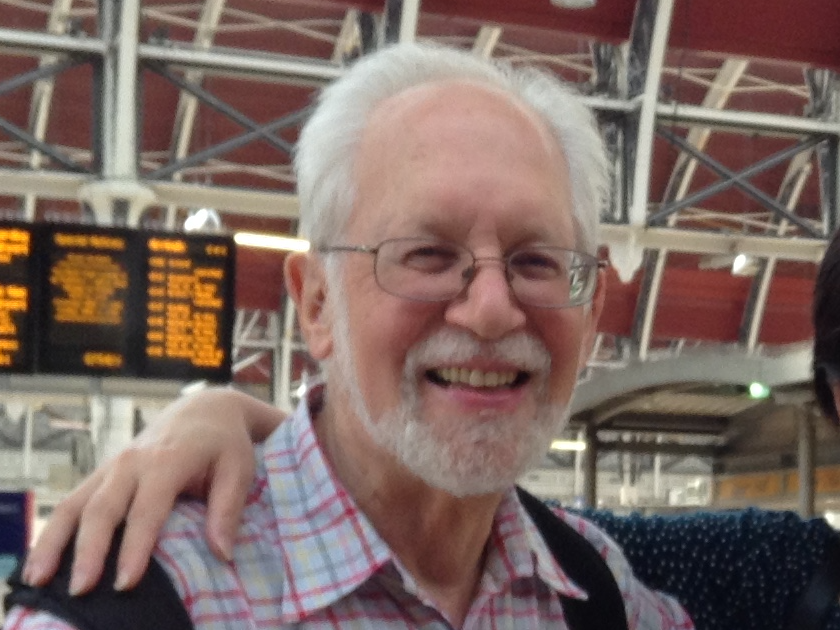
herbert N. ARST, Jr.
Genetics in its purest state. Herb discovered nitrogen metabolite repression in Aspergillus nidulans; with Claudio Scazzocchio he coined the concept of wide domain regulation, and extended his genetic tentacles to carbon catabolite repression. He characterised molecularly AreA, the GATA factor that mediates nitrogen metabolite repression. With MIguel Peñalva (and Joan Tilburn and Eduardo Espeso), he deciphered the mechanistic basis of ambient pH signalling.
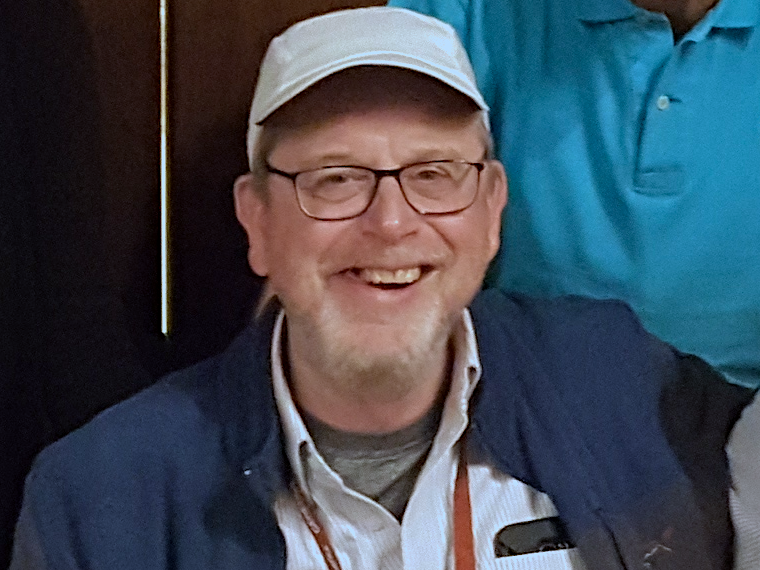
STEPHEN OsmanI
Steve Osmani joined Ron Morris’ laboratory to discover NimA, the founding member of a family of protein kinases that, with CDK1, promoted entry into mitosis. He also characterised BimE, a central component of the anaphase promoting complex. More recently, he characterised the fate of the nuclear pore complexes and the closed Aspergillus nidulans mitosis.
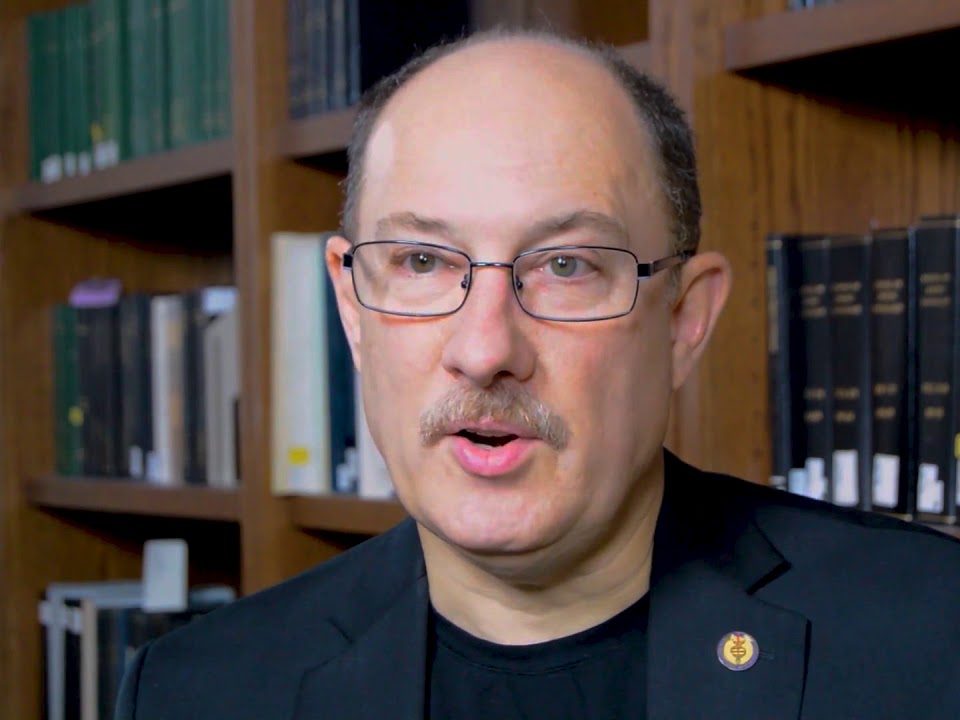
JOSEPH HEITMAN, Md, pHD
Member of the NAS. Funded by a prestigious EMBO Long-Term Fellowship, Joe Heitman crossed the ocean and set up in the Biozentrum of the University of Basel to work under the mentorship of Michael Hall. It was worth the effort, as he discovered TOR and FKB512 as the targets of rapamycin. Back to the US, he focused on the molecular genetics of the pathogenic basidiomycete Crytococcus neoformans, being particularly lured by sex-generated diversity, and by how evolution of sex has mayor implications in pathogen emergence
BILL TIMBERLAKE
Bill can undoubtedly be regarded as one of the major influencers in the field of cell biology and signal transduction. Bill set up (one of) the transformation systems, and developed the molecular genetics of Aspergillus to almost a yeast-like level. His groundbreaking studies on the development of the conidiophore led to the understanding of the “bristle” cascade by which a series of three transcription factors dictate the biogenesis of asexual reproductive structures.
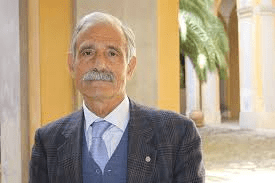
GIUSEPPE (PINO) MACINO
Emeritus Professor of Rome La Sapienzia University and EMBO Member. His most transversal work using Neurospora crassa unveiled key aspects of the RNA interference machinery, which led to the molecular characterization of quelling, a word that he coined himself.
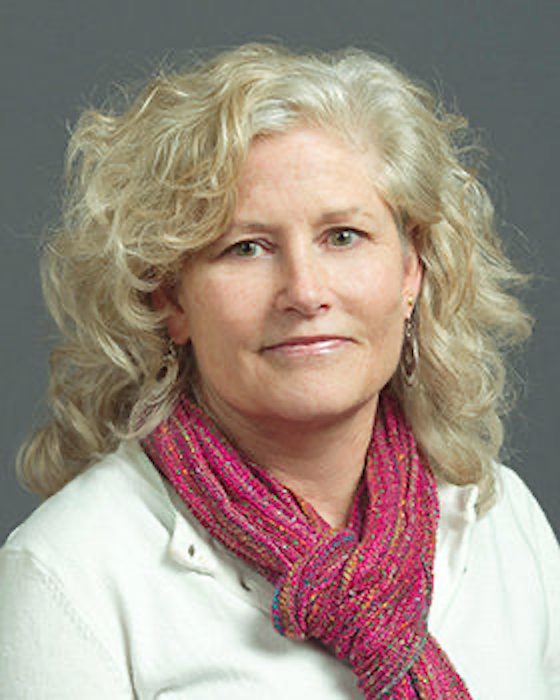
N. LOUISE GLASS
Elected in 2021 to the US National Academy of Sciences, she trained as a postdoc with Bob Metzenberg and now chairs the Dept. Plant and Microbial Biology and directs the Environmental Genomics and Systems Biology Div, at the Lawrence Berkeley Natl. Laboratory. Glass used the model Neurospora crassa to elucidate mechanisms underlying allorecognition that lead to highly choreographed intercellular signaling and to somatic cell fusion or regulated cell death. Her lab also deciphered transcriptional and cell biological regulatory networks governing lignocellulolytic nutrient acquisition in filamentous fungi.

X Y
AA

X Y
AA

fungal HOME
 European Conferences on Fungal Genetics